Why Location Matters When Choosing a TRT Clinic in La Jolla
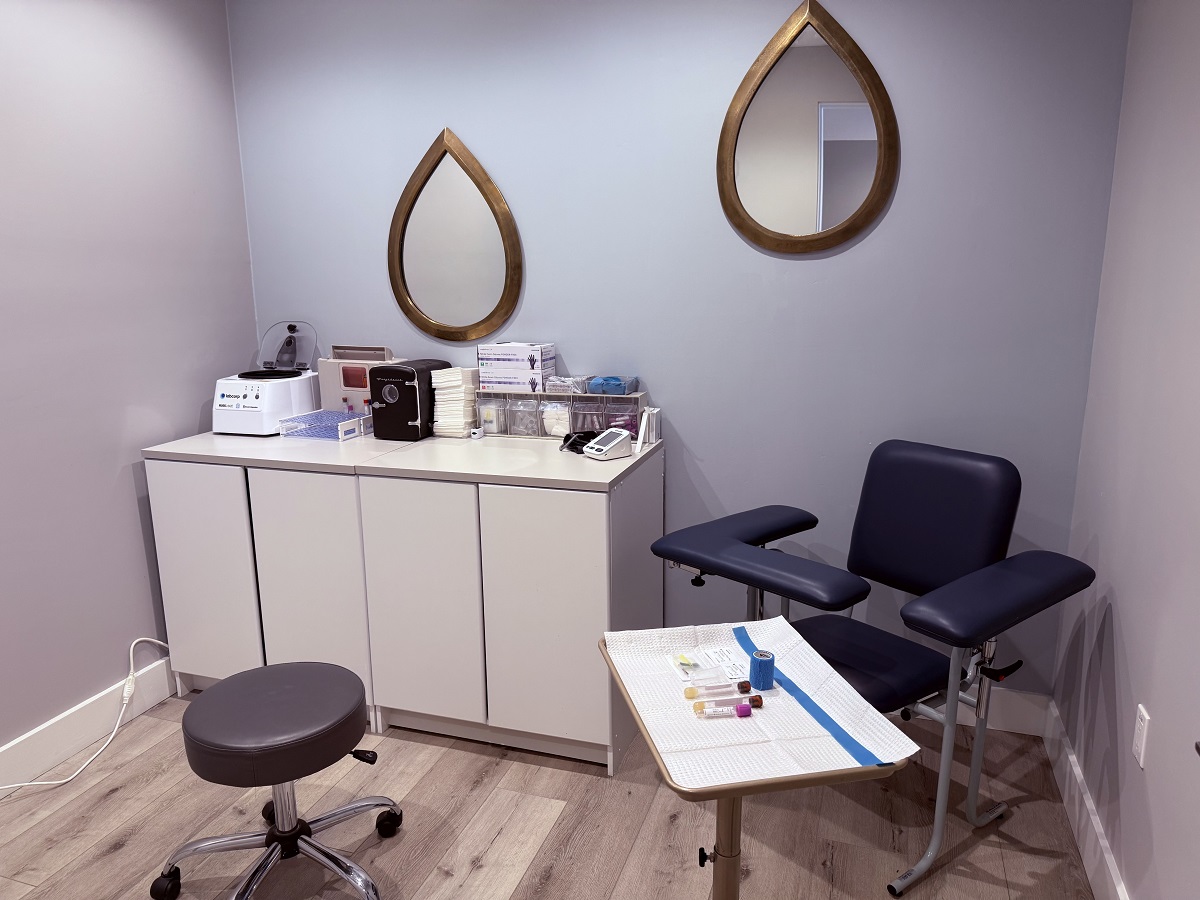
Testosterone replacement therapy is rarely a one-and-done decision. It is an ongoing medical relationship that involves lab work, follow-up visits, symptom tracking, dose adjustments, and honest conversations about how you actually feel week to week. That reality is exactly why location matters more than many men expect.
At first glance, it can seem like the best clinic is simply the one with the flashiest website, the broadest claims, or the lowest monthly fee. In practice, convenience and geography often shape outcomes just as much as marketing. When you are comparing options for a trt clinic La Jolla residents can rely on, the question is not just, “Is this clinic good?” It is also, “Can I realistically build this into my life for the next year, or longer?”
That difference matters. A clinic that looks perfect on paper but sits an hour away in stop-and-go traffic can quickly become a burden. A clinic close to home or work, staffed by people who understand the pace and expectations of the La Jolla area, often makes consistency easier. And with TRT, consistency is not a small detail. It is part of whether treatment is smooth, safe, and sustainable.
TRT is ongoing care, not a single appointment
A lot of first-time patients assume they will get tested, receive a prescription, and then settle into autopilot. That is not how responsible testosterone therapy works. Good care usually starts with a detailed consultation, a review of symptoms, a physical assessment when appropriate, and baseline labs. After that, there are follow-ups to evaluate whether your testosterone levels are reaching a healthy target and whether your symptoms are actually improving.
Those visits matter because TRT can require course correction. One man may respond well to a conservative dose. Another may need an adjustment after six or eight weeks. Someone else might feel physically stronger but notice changes in sleep, irritability, estradiol balance, or hematocrit that need attention. If getting to the clinic is inconvenient, patients tend to delay appointments, push off labs, or accept symptoms they should be discussing.
That pattern is common enough in real clinical life. A man starts therapy feeling motivated. Three months later, work deadlines pile up, he has a family schedule to manage, and a 45-minute drive each way becomes something he keeps postponing. Eventually, the “great clinic” he picked feels inaccessible. The issue is not motivation anymore. It is friction.
Location reduces friction. The lower the barrier to showing up, the more likely you are to stay engaged with your care.
La Jolla has its own practical rhythm
Choosing a clinic in La Jolla is not the same as choosing one in a smaller inland market. Daily life here has its own pace, traffic patterns, and expectations. Depending on where you live and work, a clinic that is only a few miles away can still be inconvenient at the wrong time of day. A route that looks easy at noon may be frustrating before work or at the end of the business day.
That sounds mundane, but healthcare decisions often come down to mundane realities. If your appointments fit naturally into your week, you are more likely to maintain treatment. If every visit feels like a logistical puzzle, your care starts competing with everything else in your calendar.
For many professionals in La Jolla and the surrounding areas, timing is as important as distance. Someone working near Torrey Pines may care less about absolute mileage and more about whether the clinic is accessible before 9 a.m. Or during a short midday window. Someone with school pickup responsibilities may prioritize parking and predictable appointment flow over almost anything else. Someone who travels often may need a clinic close to major commuting routes so rescheduling does not become a headache.
The right location is not universal. It is personal.
The best clinic is the one you can realistically return to
There is a simple truth that patients sometimes resist: the best medical plan is the one you will actually follow. That applies to diet, exercise, physical therapy, and TRT.
When men search for a trt clinic La Jolla providers often market expertise, personalized plans, and modern treatment options. Those are all important. But if a clinic is difficult to reach, hard to park at, inconsistent with appointment times, or located far outside your normal routine, those strengths lose practical value.
I have seen patients choose a distant provider because the initial price looked attractive. Six months later, they were spending more in time, fuel, missed work, and scheduling stress than they anticipated. Worse, they were skipping recommended check-ins. Cheap care becomes expensive fast when it undermines adherence.
A nearby clinic does not guarantee excellent care, of course. Location should never override medical quality. But among clinics that meet a strong clinical standard, proximity often becomes the tiebreaker for good reason.
Follow-up care depends on easy access
TRT is not just about raising a lab number. It is about treating symptoms while protecting long-term health. That means monitoring for changes in blood counts, hormone balance, fertility concerns, blood pressure trends, sleep issues, and individual side effects. Men respond differently, and responsible care reflects that.
Easy access matters most during the first three to six months. That is when treatment plans are often refined. Maybe injections need a different frequency. Maybe the patient is doing better on paper than he feels in real life, which calls for a deeper look at sleep, stress, thyroid markers, or other contributors. Maybe the initial plan was reasonable, but not ideal.
If the clinic is local and easy to reach, these conversations happen earlier. If not, people wait. They tell themselves they can tolerate another few weeks of brain fog, low libido, fatigue, or uneven energy. They normalize problems that should be addressed.
That delay can also work in the other direction. Some men experience early enthusiasm and want to escalate treatment too quickly because they are chasing a dramatic result. An accessible, established clinic can slow that impulse and keep care grounded. Good medicine is not just about availability. It is about having the right support close enough that patients use trt clinic La Jolla it.
Location influences the patient experience more than websites admit
Clinic websites tend to focus on credentials, services, and philosophy. Understandably so. What they rarely describe is the experience of being a patient on a Tuesday at 4:30 p.m.
Can you park without circling for twenty minutes? Is the office easy to find? Do visits stay close to schedule? Can you get in and out without turning one lab check into half your day? Does the front desk handle routine communication efficiently? If your schedule changes, can the office accommodate that without weeks of delay?
These details may sound secondary, yet they strongly influence whether treatment feels sustainable. A polished brand does not help if every visit becomes a hassle. Men are far more likely to remain consistent when the clinic fits neatly into life instead of disrupting it.
La Jolla patients often value efficiency for good reason. Many are balancing demanding careers, active lifestyles, business travel, and family commitments. They are not looking for a dramatic “wellness journey” aesthetic. They want competent care that is easy to access and straightforward to maintain.
In-person access still matters in a telehealth era
Telemedicine has improved access in meaningful ways. For some portions of TRT management, virtual care is useful and appropriate. Follow-up conversations, symptom reviews, and certain educational visits can often be handled remotely. That flexibility is valuable, especially for busy patients.
Still, virtual care does not eliminate the importance of local presence. Labs, physical assessment, and certain treatment logistics are easier when the clinic has a practical footprint near you. If an issue comes up, local access is reassuring. If you need timely evaluation, it helps to have an office you can actually get to without rearranging your entire day.
There is also a difference between a clinic that truly integrates telehealth with local support and one that mainly trt clinic La Jolla sells convenience while offloading the details onto the patient. Men often discover that “fully remote” care sounds simple until they are coordinating outside lab orders, waiting for callbacks, or struggling to get prompt guidance when something feels off.
A nearby clinic with telehealth options often gives you the best of both worlds. You keep convenience where it makes sense, while preserving access to real in-person care when it matters.
Local knowledge can improve the fit of treatment
Healthcare is never completely generic. A clinic that serves La Jolla regularly tends to understand the local patient population, work patterns, and expectations. That does not mean medicine changes by zip code, but the context of care certainly does.
For example, active men who surf, lift, cycle, or train hard may frame symptoms differently than someone more sedentary. Professionals with long work hours may struggle with sleep debt and stress that mimic or compound low testosterone symptoms. Patients in image-conscious communities may come in focused on body composition when the deeper issue is fatigue, mood, or poor recovery. A clinic with local experience often recognizes these patterns quickly and asks better questions.
That kind of familiarity can also improve scheduling and communication. Offices that know their patient base often build systems around it, offering hours and workflows that reflect how people actually live. A clinic in the area is more likely to understand that a delayed appointment by even twenty minutes can throw off the rest of someone’s day.
Privacy is a real consideration
Men do not always mention this openly, but privacy matters. Some are comfortable discussing TRT in any setting. Others prefer a clinic where they feel discreetly cared for and not exposed in a crowded, chaotic environment.
Location plays into that. A well-run clinic in La Jolla may offer a more professional, lower-stress experience than a high-volume operation elsewhere. Easy parking, a calmer office setting, and smoother intake can make a meaningful difference for patients who already feel hesitant about seeking hormone care.
That emotional comfort should not be underestimated. Many men wait too long to address symptoms because they are embarrassed, skeptical, or unsure whether what they are experiencing is “serious enough.” A convenient local clinic lowers the threshold for taking the first step.
Travel time changes medical behavior
One of the clearest patterns in outpatient care is simple: longer travel time leads to more missed appointments and less follow-through. This is true across many specialties, and TRT is no exception.
Even a modest difference in drive time adds up. A round trip of 20 minutes versus 70 minutes can be the difference between fitting an appointment into lunch and needing to block off half a workday. Over a year, with several follow-ups and lab-related visits, that burden becomes significant.
It also affects decision-making in subtle ways. Patients who travel farther are more likely to bunch concerns together, delay reporting side effects, or accept problems they would otherwise bring up sooner. Instead of saying, “I noticed my sleep has gotten worse,” they wait until the next major appointment weeks later. Instead of asking whether a dose should be adjusted, they push through. That is not ideal care. That is care shaped by inconvenience.
Cost is more than the monthly fee
When people compare clinics, they often focus on the posted package price. That is understandable, but incomplete. The real cost of care includes travel, parking, time away from work, appointment disruption, and how often inconvenience causes you to postpone important follow-up.
A clinic that charges slightly more per month but saves you repeated long drives may be the better value. The same goes for a clinic whose location allows you to book shorter visits around your existing routine. For many professionals, one missed hour of work or one repeatedly disrupted afternoon can outweigh a small difference in membership cost.
This does not mean you should overpay for convenience alone. It means you should calculate the full picture rather than comparing a single number in isolation.
What to look for when location becomes part of the decision
There are practical questions worth asking before you commit to any clinic. These are not glamorous, but they are revealing.
- How long does it take to get there from home or work at the actual times you would schedule visits?
- Is parking easy and predictable, or stressful and limited?
- Can routine follow-ups be done efficiently, with some telehealth support if appropriate?
- Is the lab process simple, either onsite or nearby?
- If you need a sooner appointment, can you realistically get to the office without major disruption?
That short checklist tells you a lot. If several answers create friction, the clinic may be harder to stick with than you think.
A local clinic can support better decision-making from the start
The first consultation sets the tone for everything that follows. A strong clinic does not simply prescribe based on a single low number or a quick sales conversation. It looks at symptoms, lifestyle, baseline health, and whether TRT is even the right move. In some cases, it is not. Poor sleep, excess alcohol, overtraining, obesity, untreated sleep apnea, certain medications, and chronic stress can all affect testosterone levels and symptoms.
That evaluation is easier to do well when the patient feels unhurried and engaged. If someone has fought traffic, struggled to park, and is already watching the clock because they need to get back across town, the visit starts with strain. If they can get to the office calmly and predictably, the discussion tends to be more productive.
Patients are often surprised by how much they value this once treatment begins. What they wanted initially was the right prescription. What they appreciate later is the right relationship. Location helps create that.
There are cases where location should matter less
Proximity is important, but it should not blind you to bigger priorities. A nearby clinic is not the right choice if the medical oversight is weak, the evaluation is superficial, or the practice seems more interested in selling than monitoring. If a clinic is ten minutes away but rushes patients through a cookie-cutter protocol, distance should not save it.
There are situations where a slightly longer drive makes sense. Perhaps a clinic has a stronger clinical reputation, better lab follow-up, more individualized dosing practices, or a more thoughtful approach to fertility preservation. In those cases, a bit of extra travel may be justified.
The key is balance. Location is a major practical factor, not the only factor. Think of it as part of a larger equation that includes competence, access, communication, transparency, and trust.
Why La Jolla patients should think in terms of fit, not just proximity
The smartest way to approach this is not to ask, “What is the closest clinic?” It is to ask, “Which clinic fits my life well enough that I will still be using it, comfortably and consistently, a year from now?”
For one patient, that might be a clinic within ten minutes of the office, with early appointments and nearby lab access. For another, it might be a provider slightly farther away but integrated with telehealth and easy freeway access. For a frequent traveler, the deciding factor may be how smoothly the clinic handles scheduling changes and remote follow-ups. For a father of young children, it may come down to parking, punctuality, and whether appointments reliably stay within a 30-minute window.
Those details are not peripheral. They are central to long-term adherence.
The right clinic should make treatment easier to sustain
Good TRT care should reduce drag in your life, not add to it. If the clinic’s location supports consistent appointments, smooth communication, straightforward monitoring, and easy follow-up, you are far more likely to get the full benefit of treatment. If location creates repeated barriers, even excellent care can become difficult to maintain.
That is why geography deserves a real place in the decision. Men often spend a great deal of time comparing treatment styles, medication forms, and pricing models, while overlooking the practical mechanics of getting care month after month. Yet those mechanics often decide whether treatment remains safe, effective, and worth continuing.
When evaluating a trt clinic La Jolla offers, pay close attention to how the clinic fits into your routine, not just how it presents itself online. The right location will not replace clinical quality, but it will make quality care far easier to use. And in ongoing therapy, that can make all the difference.
SDBody La Jolla
7710 Fay Ave, La Jolla, CA 92037
+1 858-401-2383
FAQ About trt clinic La Jolla
How much should my TRT cost?
TRT costs depend on the clinical evaluation, medication, laboratory testing, and follow-up plan. Ask for an itemized estimate that includes the initial visit and ongoing monitoring. SDBody La Jolla can explain its current fees after discussing the services being considered.
Will Insurance Pay for TRT in La Jolla?
Coverage depends on your plan, diagnosis, prescribed treatment, and provider network. Ask your insurer about medical necessity requirements, prior authorization, laboratory coverage, and out-of-pocket costs. Confirm SDBody La Jolla's billing arrangements directly; insurance payment is not guaranteed.
Is TRT safer than steroids?
Testosterone is itself an anabolic steroid. Clinician-prescribed replacement for confirmed testosterone deficiency differs from nonmedical steroid use, but it still carries risks and requires monitoring. Possible concerns include increased red blood cell levels and reduced sperm production. Discuss your medical history and fertility goals with a qualified clinician before considering treatment.